January 30, 2024
Designing Meaning
How UX designers shape the human experience of technology and why that matters more than ever
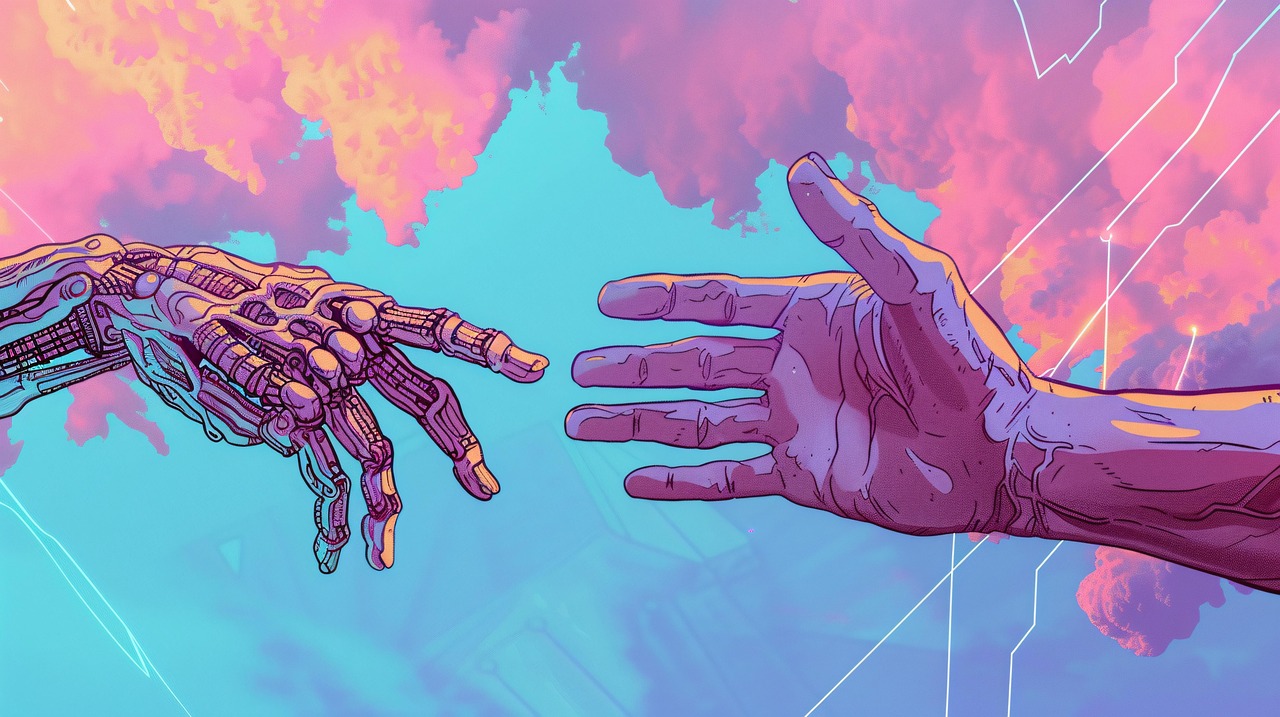
As Product and UX/UI designers, we’re often told we’re the voice of the user. But in reality, we’re something stranger: translators in an ongoing negotiation between technology and the people using it.
We take system architecture and turn it into interactions. We take business requirements and turn them into flows. We turn edge cases into moments of empathy—designing for the exceptions to build trust for everyone. This work is deeply interpretive and communicative.
Making the Complex Legible
In her book "Spurious Coin: A History of Science, Management, and Technical Writing", Bernadette Longo tells the story of a hidden class of communicators who shaped the machinery of science and management not by inventing new technologies, but by making them understandable. She writes about technical writers, often with liberal arts backgrounds, who straddled the worlds of industry and academia, engineering and language.
Their work translated the technical into the communicable. And for that, they were treated with suspicion.
Technical writers, Longo argues, were seen as producing “spurious currency”—fake knowledge that threatened the purity of science. Because they weren’t the inventors, engineers, or scientists themselves, their mediation of knowledge was considered less valuable. But their writing made systems legible. Their documentation made operations run. Their language made the technology usable.
In the same way, designers translate complex systems into human-centered experiences—crafting the interfaces, language, and flows that make technology not just functional, but comprehensible and usable in the real world.
What Product Design Actually Does
Design work often happens before anything is built and long after it's shipped. We identify where a system might fail, confuse, or exclude—not just in usability testing, but in the questions we ask at kickoff and the decisions we capture in specs. We advocate not only for the end user, but for coherence across cross-functional teams. Design creates shared understanding that guides decision-making, reduces misalignment, and helps teams move forward with clarity and intent.
Our documentation, prototypes, design specs, and Figma files don’t just support engineering, they mediate meaning. We explain what things are, how they work, and why they matter. And that’s not an afterthought, it's product strategy.
The Borderlands Between Technology & Meaning
Product designers live at the borders. Between engineering constraints and human context. Between data abstraction and user emotion. Between what the system does and what it means to someone using it at 11PM on their phone. These borders are where friction happens, but they’re also where value for the humans using those systems is created.
As digital systems increasingly mediate everything from healthcare to finance to how we communicate, the human experience of those systems becomes an ethical and cultural concern, as well as a usability one. When we design interfaces, we're making the digital world interpretable. We’re shaping how it gets understood, trusted, and used. And if that makes our work seem spurious to those chasing velocity, maybe we should remind them: Every coin has two sides. Ours is the one that speaks.
Works Cited
Longo, B. (2000). Spurious coin: A history of science, management, and technical writing. State University of New York Press.