Training Resource Manager
Skills: Information Architecture, UX Research, Usability Testing, UX/UI Design, Prototyping
Tools: Figma, Teams (Usability Testing)
Portfolio
Skills: Information Architecture, UX Research, Usability Testing, UX/UI Design, Prototyping
Tools: Figma, Teams (Usability Testing)
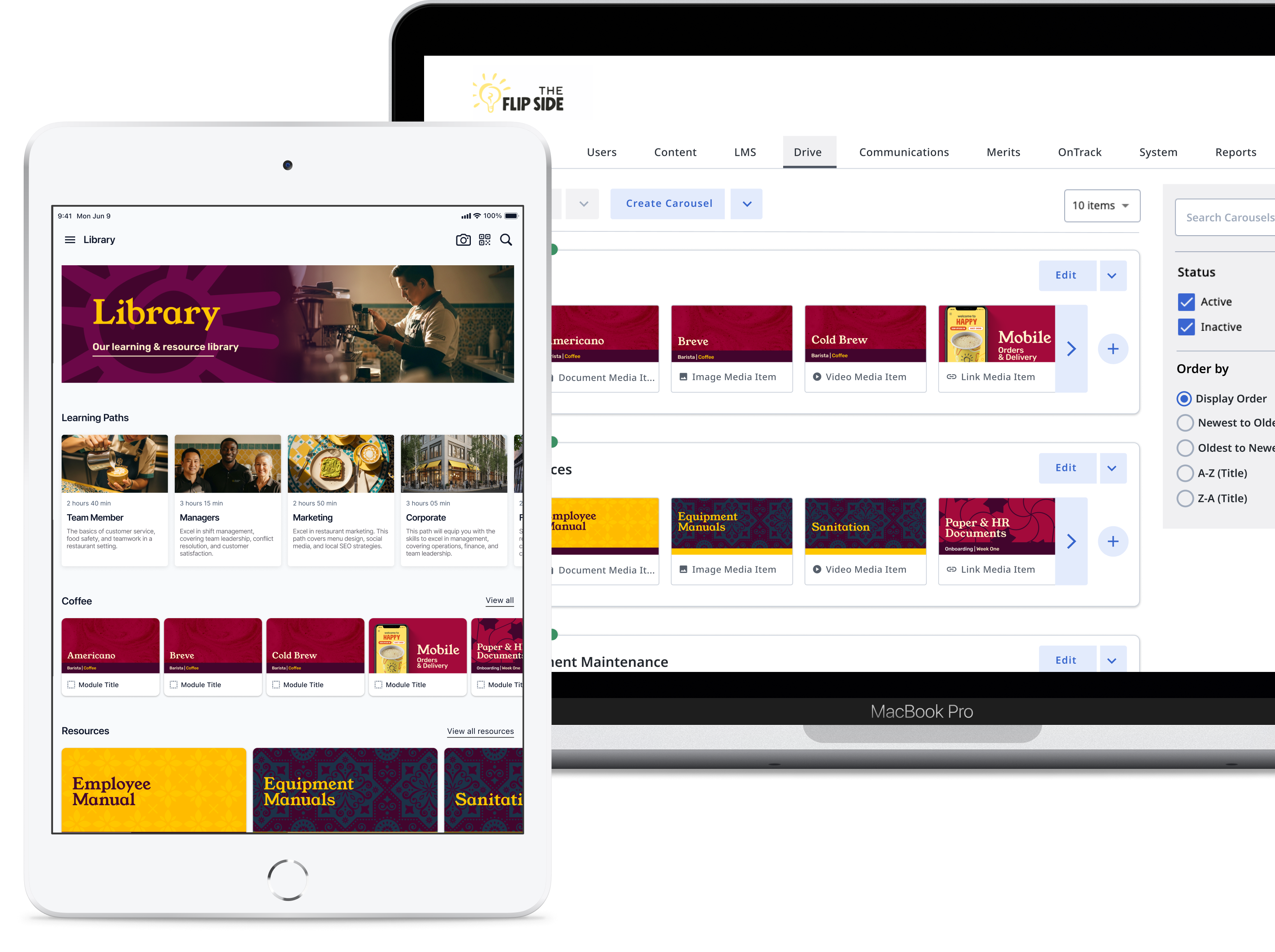
Wisetail is a learning and development platform; their goal is to support and strengthen their clients' learners to ensure that their brand promise is delivered. In 2023, Wisetail acquired PlayerLync, a competitor in the industry whose strengths included a successful multimedia library and offline access to content.
Wisetail faced a challenge in offering tools to help admins organize and provide easy access to a vast array of multimedia resources such as videos, documents, links, and presentations within their platform. This was a big obstacle to leadership's goal of positioning the company as a true learning management platform, a one-stop shop to train, assess, and empower clients' workforces. To this end, we needed to develop a multimedia resource library accessible via both web and a new mobile app, allowing administrators to efficiently organize media assets and enabling learners to easily discover and access relevant content without navigating through learning modules.
The goal was to use PlayerLync's capabilities as a foundation for a product that would set Wisetail apart in the landscape as a truly comprehensive solution for learning and development needs.
A Super Admin adds new media to their "Recipes" carousel. They preview how all carousels look on their learner platform (created using Wisetail). Includes recently added Publishing and Scheduling.
I led UX/UI design for this cross-functional initiative, collaborating closely with frontend and backend developers, QA engineers, product managers, and engineering leadership. Leadership organized a two-day on-site meeting so that I, the Wisetail Engineering Lead, the PlayerLync PM, and the PlayerLync Director of Engineering could define the project scope, align on timelines, and synthesize stakeholder insights into a clear design direction.
Drawing from user research, I shaped intuitive solutions for media management and accessibility across web and mobile. I created wireframes, interactive prototypes, and high-fidelity UI, validating key flows through usability testing and incorporating feedback through iterative design cycles.
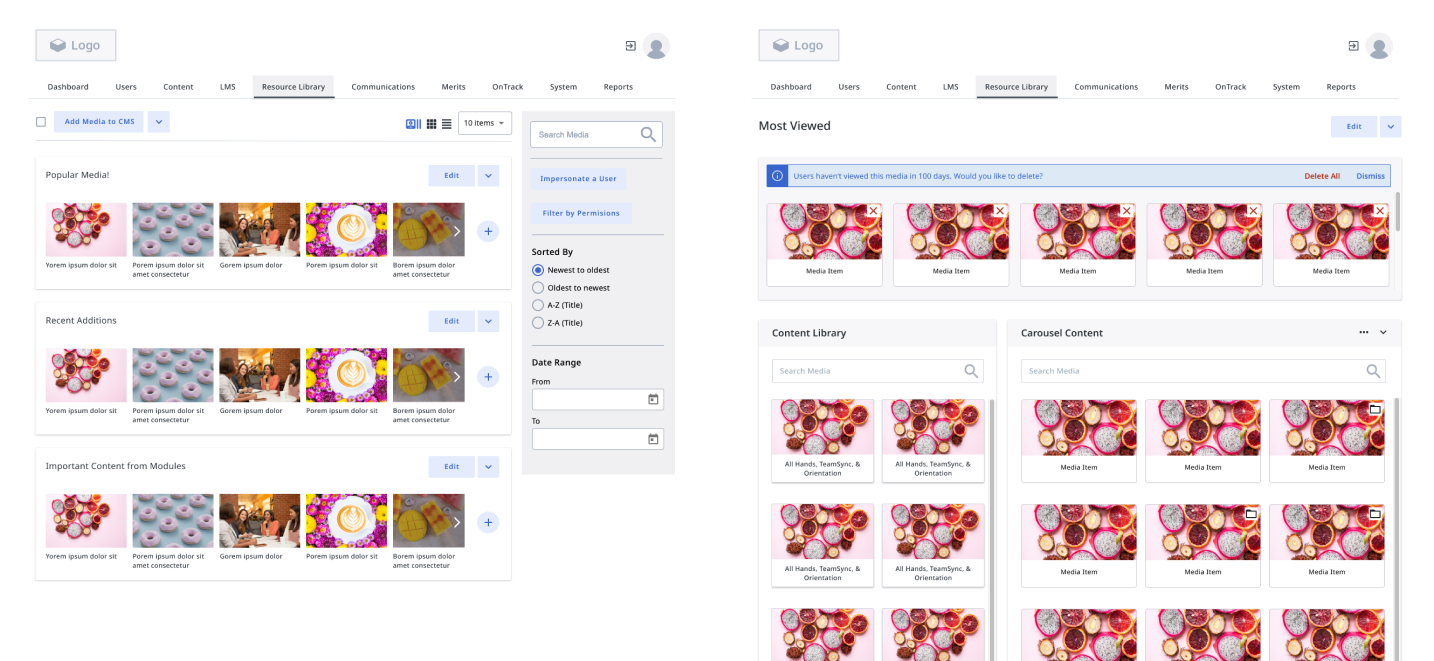
First drafts of the Multimedia Resource Library builder. Included "Smart" deletion suggestions based on usage, which had to be descoped for the MVP.
The design process was structured to ensure the multimedia resource library met the usability and functionality requirements of administrators and learners alike:
Research & Discovery: The Wisetail and PlayerLync PMs conducted stakeholder interviews, bringing their collected research to the design conversation and helping us set the direction for the project. I conducted usability studies to gather insights into user preferences, behaviors, and challenges related to media consumption and management within client's LMSs.
Conceptualization & Prototyping: Developed initial wireframes and prototypes to explore different organizational structures and content presentation methods. Iteratively refined designs based on stakeholder feedback and usability testing results.
Iterative Design: Focused on creating a user-friendly interface that allows administrators to efficiently upload, categorize, and manage media assets, while ensuring learners can easily search, filter, and access relevant content based on their needs. A robust Search feature would come later (it was not in scope for the MVP).
Visual Design & Implementation: Established a cohesive visual identity that aligned with Wisetail's design guidelines and enhanced usability across both web and mobile platforms. It was a priority that this new product would fit seamlessly into the existing platform, as we set our sights on a future full operations platform.
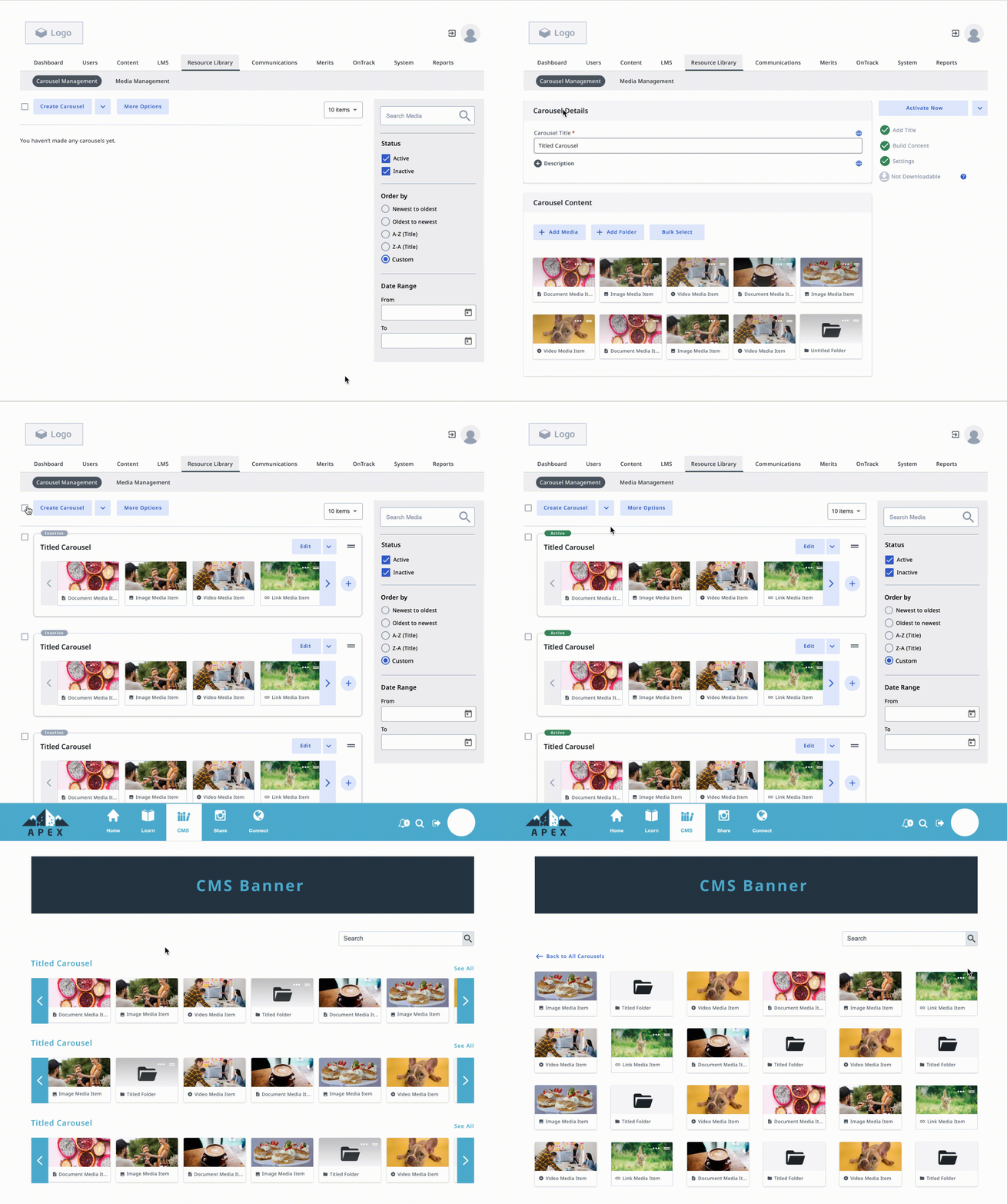
A shortened prototype of the first draft of the builder and library for learners.
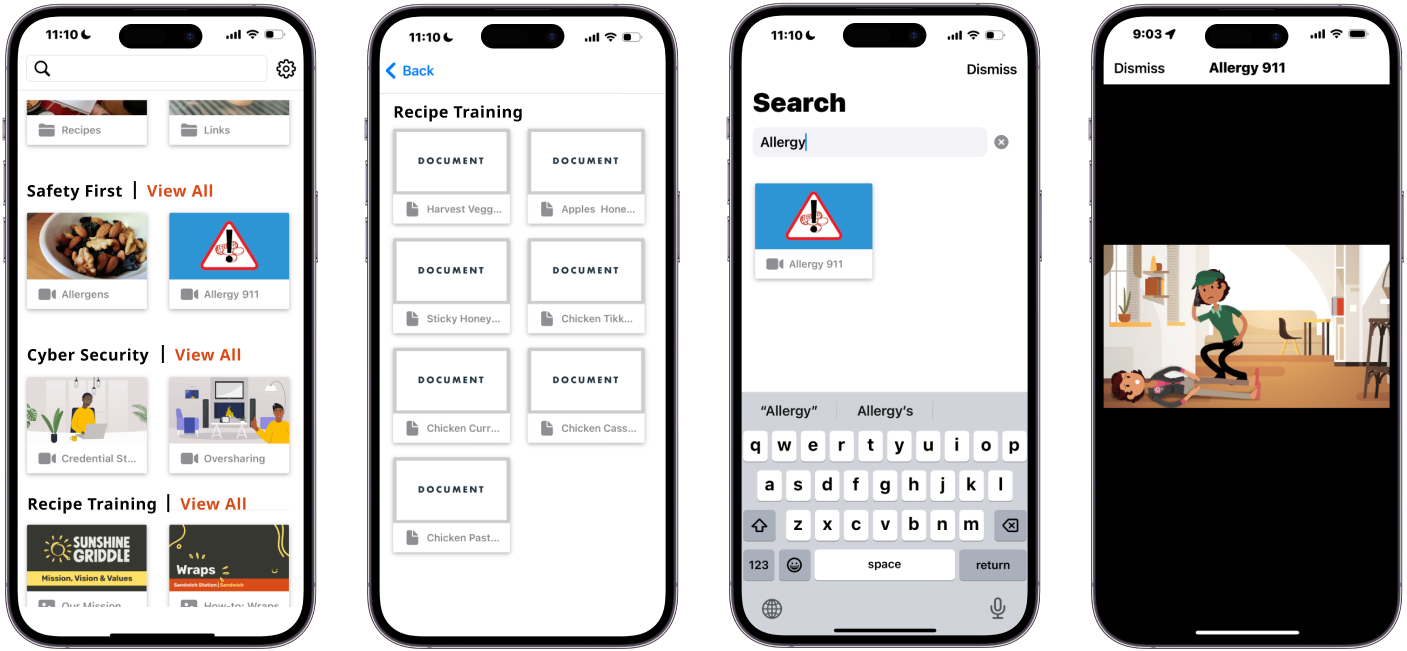
The Multimedia Resource Library app, used by team members during their day-to-day operations.
The Media Library launched as a focused MVP, designed to deliver immediate value while laying the foundation for future growth. By prioritizing core functionality, we avoided over-delivering early and instead concentrated on solving the most immediate pain points for learners and administrators. This allowed us to quickly validate our approach through usability testing and real-world usage, which revealed strong satisfaction with the streamlined interface, efficient asset management, and seamless integration with the LMS.
As adoption grew, ongoing user feedback and deeper insights into admin workflows guided our next steps. We expanded the platform to include advanced publishing and scheduling tools, a more robust search experience across both web and mobile, and are currently developing an AI-powered auto-tagging feature to help administrators better organize and surface content for their teams.
This project underscored the importance of releasing with focus, then evolving intentionally. It also reinforced the value of designing with flexibility in mind—ensuring the system could scale with the needs of a growing user base. By staying closely aligned with our users and partners, we built a solution that continues to adapt and improve over time. Laptop and phones showcasing the desktop view of the builder and mobile views of the created library on the web and mobile apps.
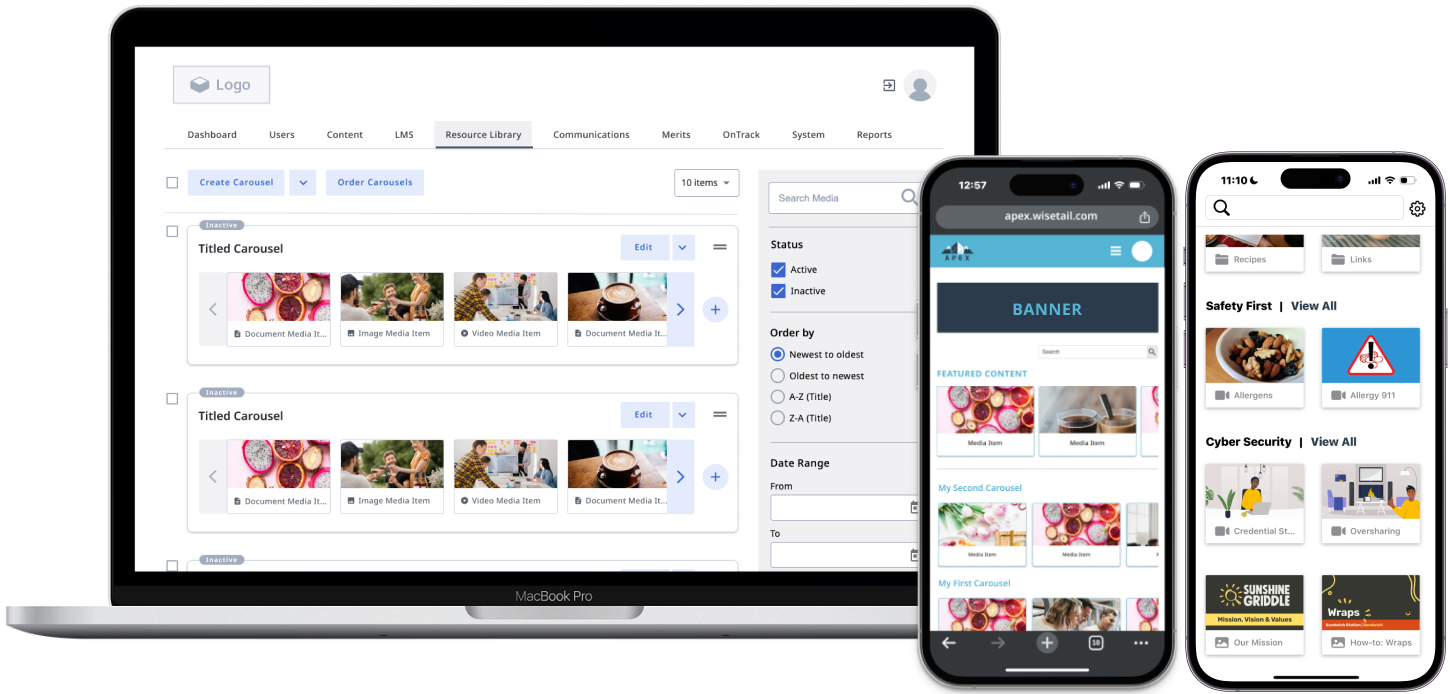
Desktop view of Multimedia Resource Library builder. Mobile views of the Library on the web app and the mobile app.
This project exemplified the kind of product design work I find most rewarding—deeply collaborative, user-centered, and strategically phased for long-term impact. From shaping the initial direction with cross-functional partners to leading iterative research and design through launch and beyond, I helped deliver a solution that not only met immediate needs but also created a flexible foundation for future innovation.
By grounding our MVP in real user needs and continuously evolving it through feedback and experimentation, we built a growing ecosystem that continues to empower both administrators and learners across platforms.
Updated by J. Amelia Cáceres in 2026 | jessames.caceres@gmail.com